


Micropigmentation, the umbrella term for all permanent makeup techniques, has both cosmetic and restorative benefits. It can create perfectly shaped eyebrows, camouflage scars and restore areola definition, creating subtle results that enhance confidence and natural beauty.
Micropigmentation is customised to suit each individual’s skin tone, facial structure, and personal goals. It’s a tailored solution for refining features and restoring definition.
In this blog, we’ll explore the different types of micropigmentation, how the procedures work, and how expert practitioners at Karen Betts Clincs ensure results that are safe and natural.
The Definition of Micropigmentation
Micropigmentation is a form of specialised cosmetic and medical tattooing that involves implanting pigment into the upper layers of the skin to enhance, restore or replicate natural features.
It is commonly used to improve the appearance of eyebrows, define facial features, camouflage scars, and recreate the look of the areola following breast surgery. Unlike traditional tattoos, micropigmentation uses refined pigments and precise methods designed to fade gradually over time, creating soft, natural-looking results.
This treatment is suitable for both aesthetic and restorative purposes and is tailored to each individual’s skin tone, facial structure and personal goals.
What is the Micropigmentation Procedure?
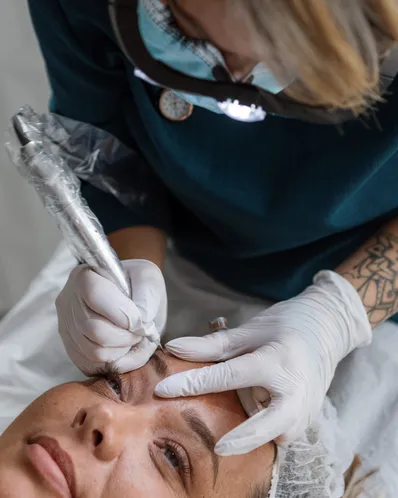
The micropigmentation procedure begins with an in-depth consultation to assess a client’s needs, skin type and desired results. During the treatment, a trained artist uses a specialised device or manual tool to carefully implant pigment into the upper layers of the skin using precise, controlled techniques.
The colour, shape, and placement are fully customised to create a natural and balanced appearance. The procedure is generally well tolerated, with topical numbing agents often applied to minimise discomfort.
A healing period follows, during which the pigment may appear darker before gradually softening, and a follow-up appointment is usually recommended to perfect the results.
Eyebrow Micropigmentation
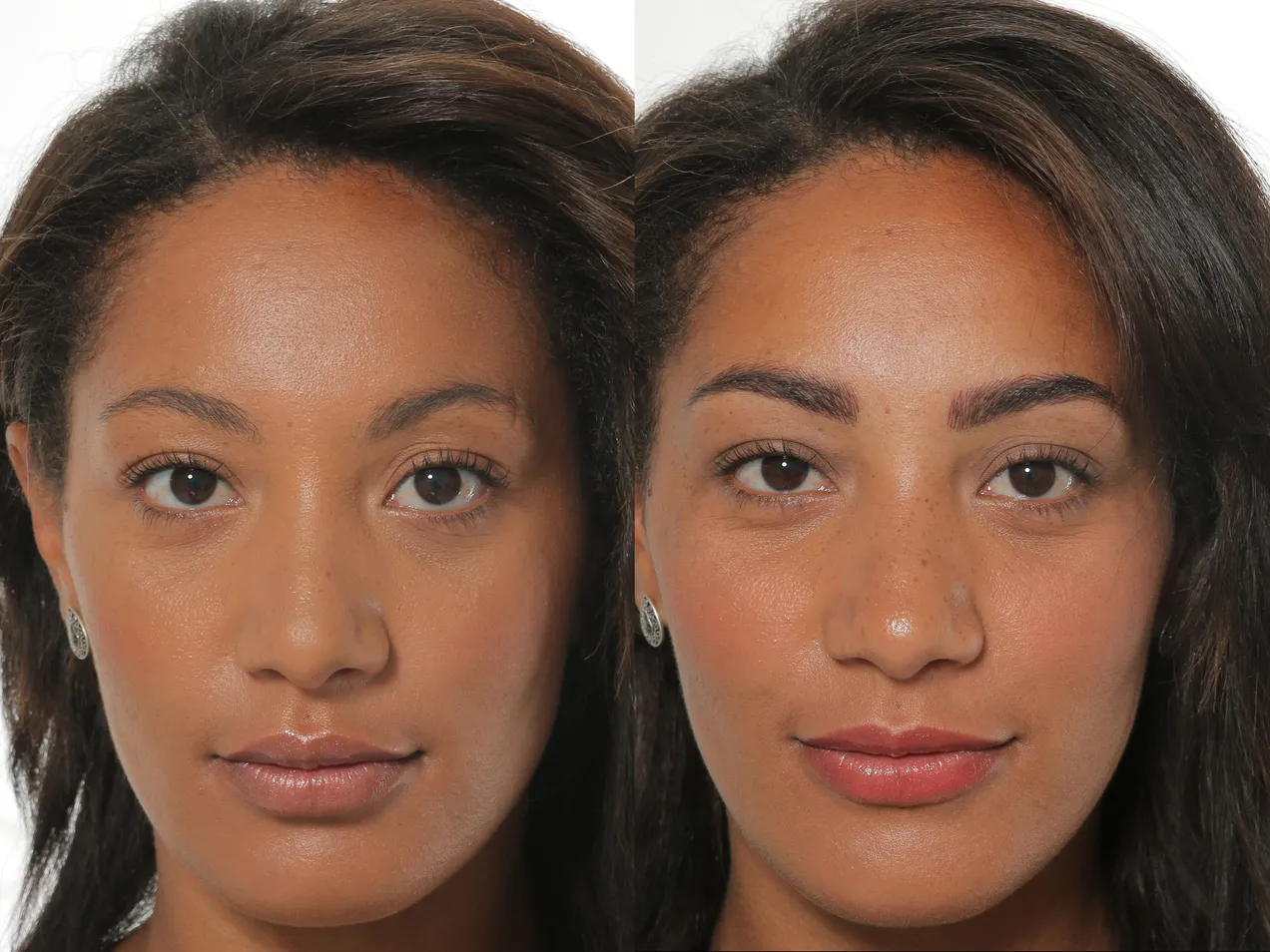
Eyebrow micropigmentation focuses specifically on enhancing the brows, using precise techniques to create shape, density, and definition. This treatment involves detailed mapping of the brow area to complement an individual’s facial structure.
Here, artists use fine strokes or shading methods to mimic natural hair growth, correcting sparse areas or asymmetry and giving the brows a polished look. This provides subtle, long-lasting improvement that blends perfectly with existing brow hairs.
Eyebrow Micropigmentation Techniques
There are several techniques used in eyebrow micropigmentation that each create a specific look. Microblading creates fine, hair-like strokes for a natural, textured appearance, while a digital machine creates a soft, shaded effect that adds fullness and depth. Combination brows blend both techniques, giving a structured yet natural finish.
The choice of technique depends on factors such as skin type, existing brow hair, and the desired level of definition, allowing each client to achieve results that are both flattering and long-lasting.
Scar Micropigmentation
Scar micropigmentation is a specialised technique used to camouflage and blend scars with the surrounding skin, helping them appear less noticeable. By implanting carefully matched pigments into the scar tissue, practitioners can reduce the contrast between the scar and natural skin tone, creating a more uniform appearance.
This method is commonly used on surgical scars, acne scars, or injuries, and can be tailored to different areas of the body. While it does not remove the scar, it offers a subtle, lasting improvement that enhances confidence and restores a smoother, more natural look.
Aerola Micropigmentation
Areola micropigmentation is a restorative technique used to recreate or enhance the appearance of the areola, often following breast surgery such as mastectomy or breast reconstruction.
Artists use specialised pigments and precise methods to match the natural colour and shape, providing a realistic, three-dimensional effect. This treatment can correct asymmetry, restore definition, and improve confidence for individuals who have experienced changes due to surgery or medical conditions.
While it does not alter the breast itself, areola micropigmentation offers a subtle, long-lasting solution that supports both physical and emotional restoration.
Aftercare for Micropigmentation
Proper aftercare is essential to achieve the best results from any micropigmentation treatment. Immediately following the procedure, the treated area may appear slightly darker with some mild swelling, which is normal and will gradually soften during the healing process.
We recommend keeping the area clean and dry, avoiding direct sunlight, swimming, or heavy sweating for a short period. Using any provided ointments and following touch-up schedules helps ensure the pigment settles evenly and lasts longer.
Following these guidelines will help improve colour retention and achieve a smooth, natural finish.
Is Micropigmentation Right for You?
With aesthetic and restorative benefits, micropigmentation is a great solution for refining eyebrows, camouflaging scars and restoring areola definition. Each treatment is tailored to a person’s skin tone, features and personal goals, providing subtle yet long-lasting results.
By understanding the different procedures and methods and following proper aftercare, you can achieve natural, confidence-boosting improvements. Here at Karen Betts Clinics, we specialise in both aesthetic and medical micropigmentation, ensuring every treatment is personalised and delivered with precision to achieve the most natural, flattering results.
Get in touch to book your micropigmentation appointment today.