
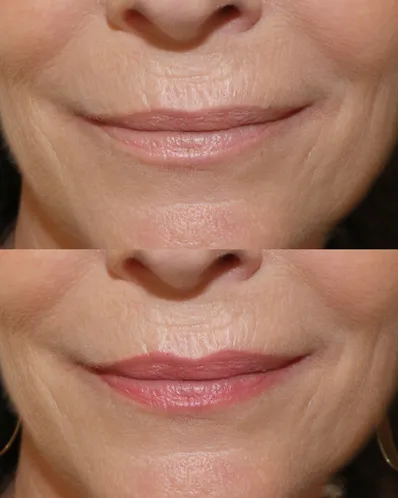
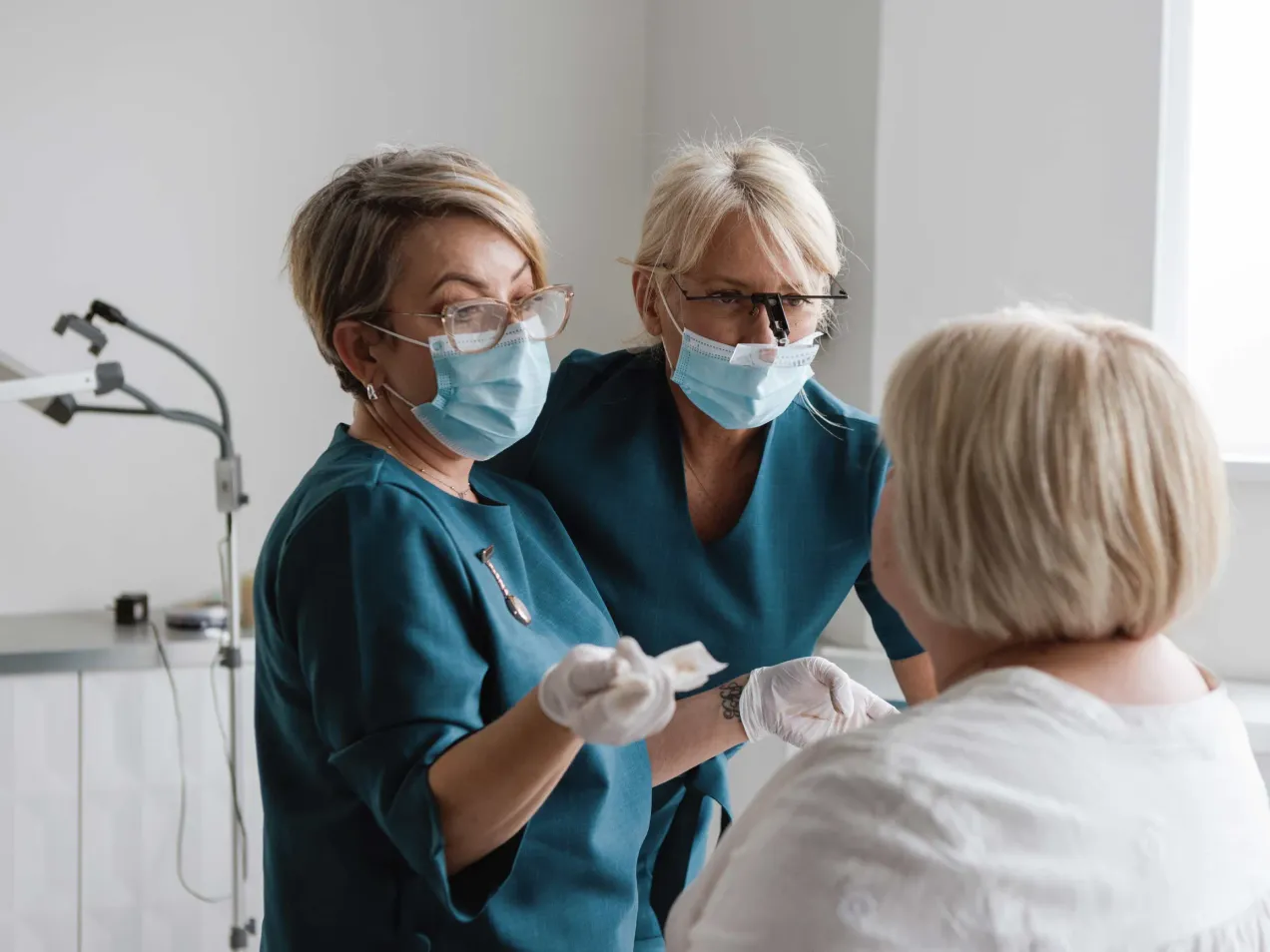


The lip blush healing process can be just as important as the lip blush treatment itself. If you’re preparing for your first appointment or simply curious about what the healing journey looks like, having clear guidance can make the entire experience smoother and more comfortable.
In this guide, you’ll learn what to expect at each stage of recovery, along with professional aftercare tips that help you achieve soft, natural-looking results. From day-by-day changes to long-term care, consider this your complete resource for beautifully healed lip blush.
What is Lip Blush?
Lip blush is a form of permanent makeup designed to enhance the natural colour, shape and definition of the lips. Using a precise technique, a trained artist deposits pigment into the lips to create a soft, tinted effect that looks like a natural wash of colour.
The treatment can correct uneven pigmentation, define the lip border, and add subtle fullness. As well as cosmetic purposes, lip blush can also be performed medically to help camouflage scars or improve the appearance of cleft lips.
Unlike traditional lipstick, lip blush provides long-lasting results that require minimal daily maintenance, easing your morning routine.
How the Lip Blush Healing Process Works
The lip blush healing process is a gradual journey that typically takes 4-6 weeks for full results to emerge. After the procedure, the skin forms a protective layer, causing temporary dryness, flaking and changes in colour.
During the first few days, lips may appear darker and more vibrant, then fade significantly as the outer layer peels.
Beneath the surface, pigment is settling into the skin, and over the following weeks, the colour gradually resurfaces and softens to its natural, even tone.
Lip Blush Healing Stages (Day-by-Day Guide)
The healing process after a lip blush treatment unfolds in several distinct stages. Knowing what to expect day by day can help you manage your aftercare, reduce anxiety and achieve the best results.
While everyone’s lips heal slightly differently, the following timeline outlines the most common changes from the day of your appointment to full recovery.
Understanding these stages helps set realistic expectations and ensures that each phase of healing, from initial swelling to the final, polished result, is approached with proper care and patience.
Day 1-2: Fresh and Swollen
Lips appear bold with a strong colour and slight swell.
Tenderness or mild discomfort is normal.
The colour looks darker than the final healed result.
Day 3-4: Dry and Flaking
Lips feel tight and may begin to flake or peel.
Peeling can appear patchy - avoid picking or scratching.
Colour may appear uneven during this stage.
Day 5-10: Colour Fading (‘Disappearing’ Stage)
Pigment may fade dramatically, leaving lips looking pale.
This is a normal part of the process as the skin regenerates.
Lips may feel slightly dry or tight, but tenderness should lessen.
Week 2-4: Colour Returning
Pigment gradually resurfaces and begins to settle.
Lips regain softness and evenness.
Colour starts to appear more natural and subtle.
Week 6: Fully Healed
True healed colour is visible.
Any minor patchiness typically evens out.
This is the ideal time for a touch-up session, if required.
Expert Lip Blush Aftercare Tips for Best Results
Proper aftercare is key to achieving the most beautiful and long-lasting results from your lip blush treatment. Following the right steps can help your lips heal evenly, retain colour, and avoid complications.
Vikki, our Senior Elite Artist at Karen Betts Clinics, explains, “Taking care of your lips after treatment isn’t just recommended - it’s essential. The smallest habits during healing can make the biggest difference in your final results.”
Aftercare Do’s
- Clean gently by following your artist’s instructions to remove debris without irritating the lips
- Apply healing balm correctly using a thin layer as advised to keep lips hydrated and protected
- Stay hydrated by drinking plenty of water to support skin regeneration from the inside out
- Follow touch-up schedules by booking your follow-up at the recommended time to perfect colour and shape
- Protect from the sun using SPF lip balm after healing to preserve pigment
Aftercare Don’ts
- Don’t pick or peel flaking skin and let it shed naturally to avoid uneven colour
- Avoid excessive heat and moisture by skipping saunas, steam rooms and swimming until fully healed
- Don’t apply makeup on treated lips until healing is complete to prevent infection or pigment disruption
- Avoid spicy, salty or acidic foods in the first days as these can irritate sensitive, healing skin
- Don’t over-moisturise since too much balm can suffocate the skin and interfere with healing
When To Schedule Your Lip Blush Touch Up
Most clients benefit from a touch-up appointment around 6-8 weeks after their initial lip blush treatment. This session allows your artist to perfect the colour, even out any areas where pigment didn’t fully retain, and refine the shape if needed.
Touch-ups are a normal part of the process and essential for achieving the soft, natural-looking results you want. Waiting until your lips are fully healed ensures that the adjustments are accurate and long-lasting, giving you the best possible outcome.
What Healed Lip Blush Should Look Like
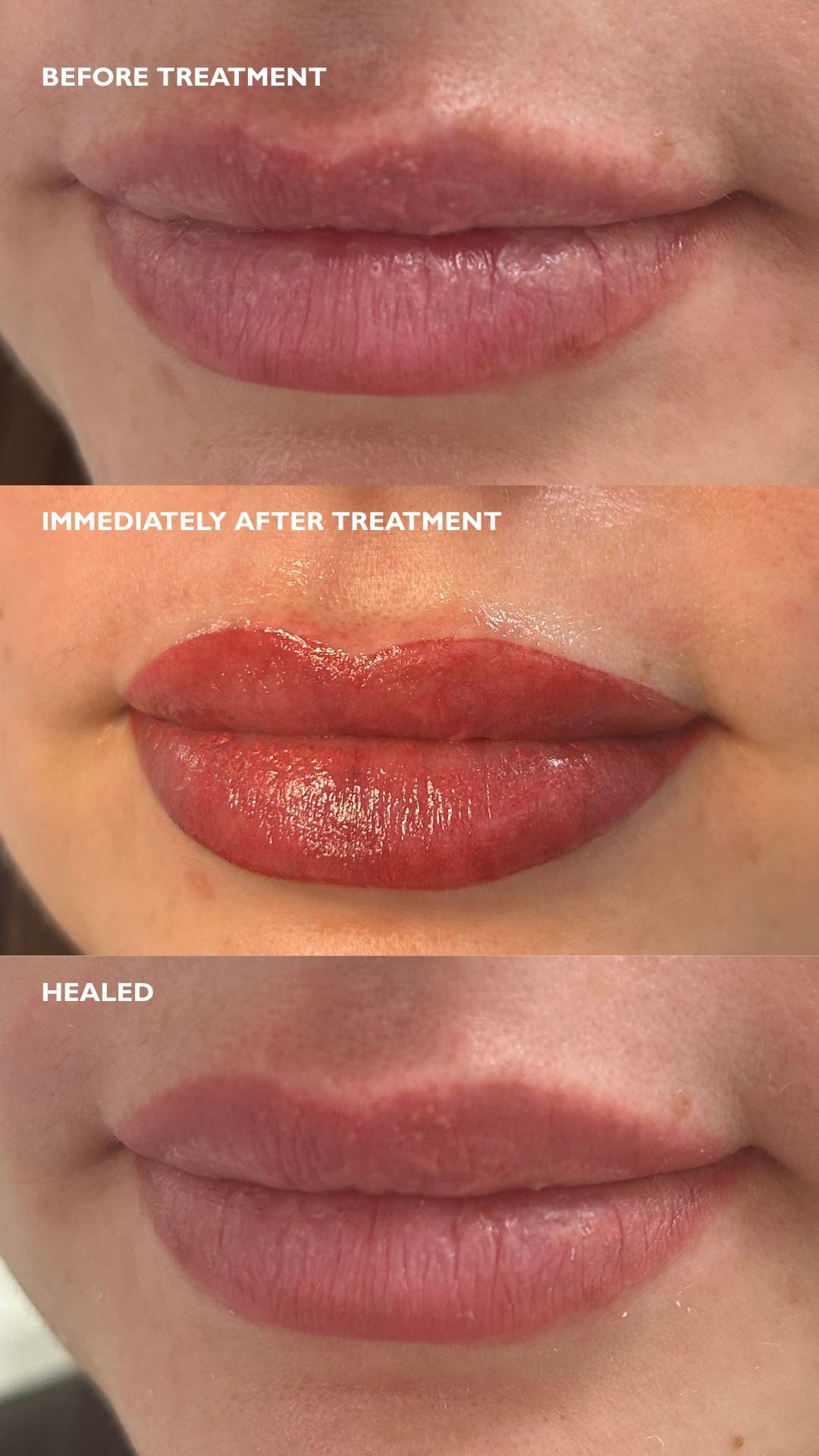
Once fully healed, lip blush should appear soft, natural and evenly toned. The colour will have settled into the lips, creating a subtle enhancement rather than a bold or artificial look.
The lip border should be gently defined, and the overall shape balanced and symmetrical. Slight variations in pigment are normal, but the end result should give the appearance of naturally healthy, refreshed lips that complement your features.
With proper aftercare and, if needed, a touch-up, the healed lip blush provides long-lasting, low-maintenance colour that looks effortless every day.
Book your lip blush appointment today and enjoy expert treatment combined with personalised aftercare.